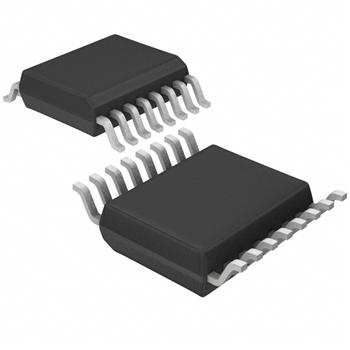
TPS2211AIDBR 供应商
-
TPS2211AIDBR
品牌:TI 封装/批号:原厂原装/22+ -
TPS2211AIDBR
品牌:TI 封装/批号:TSOP/2002 -
TPS2211AIDBR
品牌:TI/德州仪器 封装/批号:SSOP16/21+ -
TPS2211AIDBR
品牌:TI 封装/批号:16SSOP/2019+ -
TPS2211AIDBR
品牌:TI(德州仪器) 封装/批号:SSOP-16/2022+ -
TPS2211AIDBR
品牌:TI 封装/批号:SSOP-16/23+ -
TPS2211AIDBR
品牌:TI 封装/批号:SSOP16/22+ -
TPS2211AIDBR
品牌:TI 封装/批号:SSOP16/23+ -
TPS2211AIDBR
品牌:TI 封装/批号:原厂原装/2318+
TPS2211AIDBR 属性参数
- 标准包装:1
- 类别:集成电路 (IC)
- 家庭:PMIC - 电源分配开关
- 系列:-
- 类型:PCMCIA/Cardbus 开关
- 输出数:1
- Rds(开):120 毫欧
- 内部开关:是
- 电流限制:1A
- 输入电压:3.3V,5V,12V
- 工作温度:-40°C ~ 85°C
- 安装类型:表面贴装
- 封装/外壳:16-SSOP(0.209",5.30mm 宽)
- 供应商设备封装:16-SSOP
- 包装:®
- 其它名称:296-13827-6
产品特性
- Fully Integrated VCC and Vpp Switching for Single-Slot PC Card™ Interface
- Low rDS(on) (70-m 5-V VCC Switch and 3.3-V VCC Switch)
- Compatible With Industry-Standard Controllers
- 3.3-V Low-Voltage Mode
- Meets PC Card Standards
- 12-V Supply Can Be Disabled Except During 12-V Flash Programming
- Short-Circuit and Thermal Protection
- Space-Saving 16-Pin SSOP (DB) and 20-Pin HTSSOP (PWP)
- Compatible With 3.3-V, 5-V, and 12-V PC Cards
- Break-Before-Make Switching
产品概述
The TPS2211A PC Card power-interface switch provides an integrated power-management solution for a single PC Card. All of the discrete power MOSFETs, a logic section, current limiting, and thermal protection for PC Card control are combined on a single integrated circuit, using the Texas Instruments LinBiCMOS™ process. The circuit allows the distribution of 3.3-V, 5-V, and/or 12-V card power, and is compatible with many PCMCIA controllers.The current-limiting feature eliminates the need for fuses, which reduces component count and improves reliability. Current-limit reporting can help the user isolate a system fault to the PC Card. controllers. The current-limiting feature eliminates the need for fuses, which reduces component count and improves reliability. Current-limit reporting can help the user isolate a system fault to the PC Card.The TPS2211A features a 3.3-V low-voltage mode that allows for 3.3-V switching without the need for 5 V. Bias power can be derived from either the 3.3-V or 5-V inputs. This facilitates low-power system designs such as sleep mode and pager mode where only 3.3 V is available.End equipment for the TPS2211A includes notebook computers, desktop computers, personal digital assistants (PDAs), digital cameras, and bar-code scanners.
 TPS2211AIDBR